


Calacatta Viola Ribbed Marble Tray
Sale price£150.00

Dunas Calacatta Viola White Marble Sphere
Sale price£75.00

Dunas Rosso Levanto Burgundy Marble Sphere
Sale price£70.00
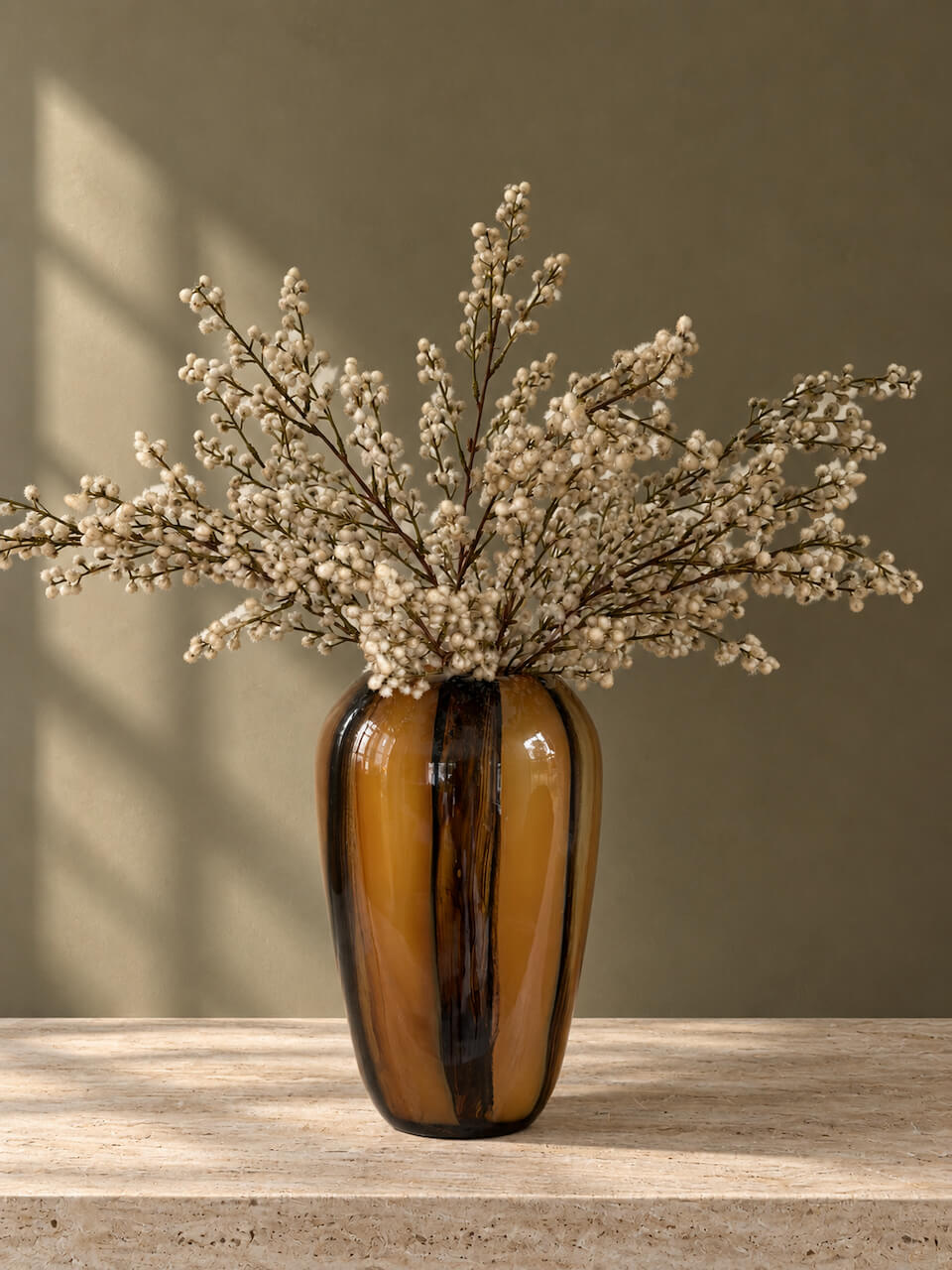
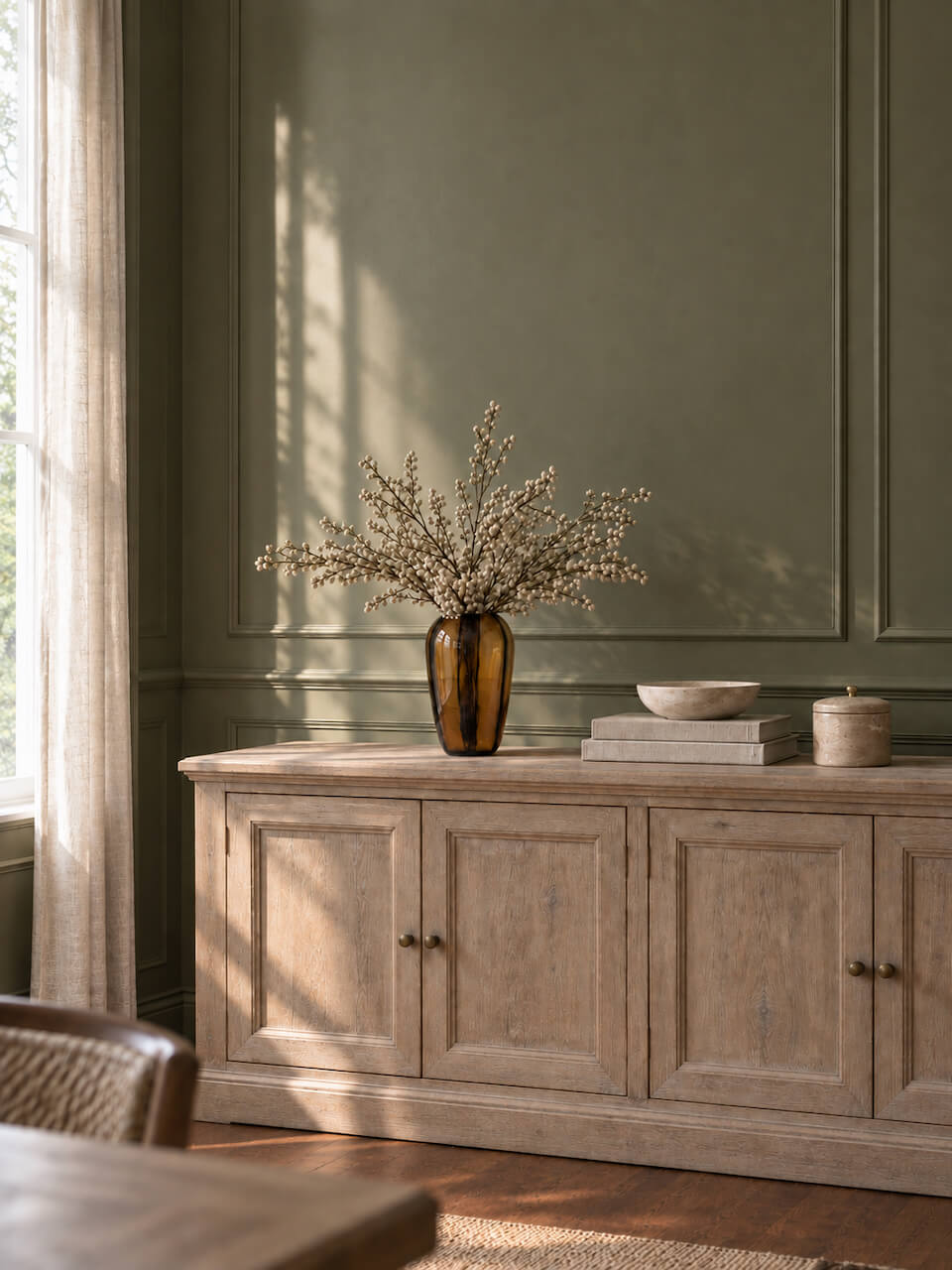
Flores Handblown Glass Vase
Sale price£70.00
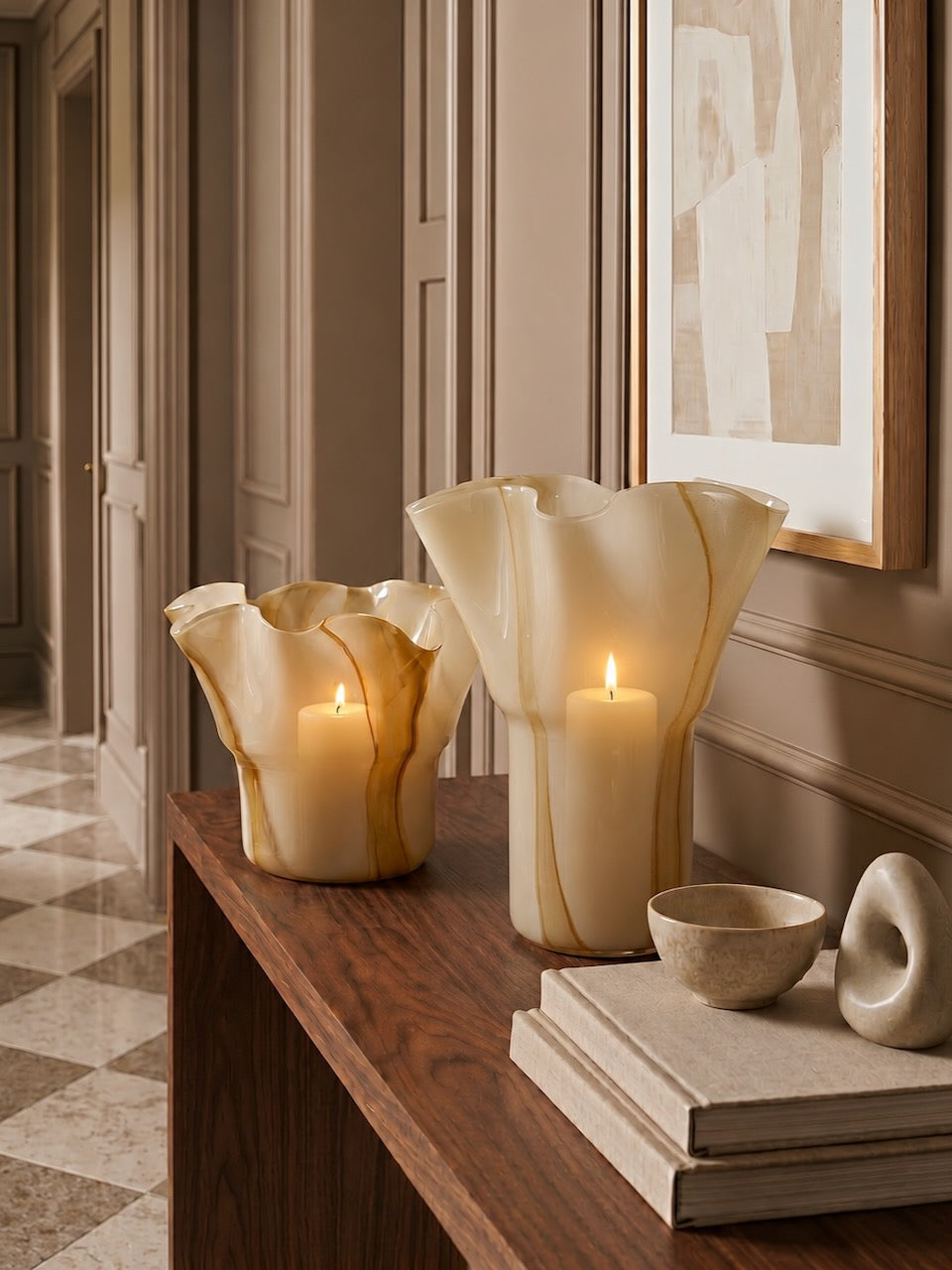
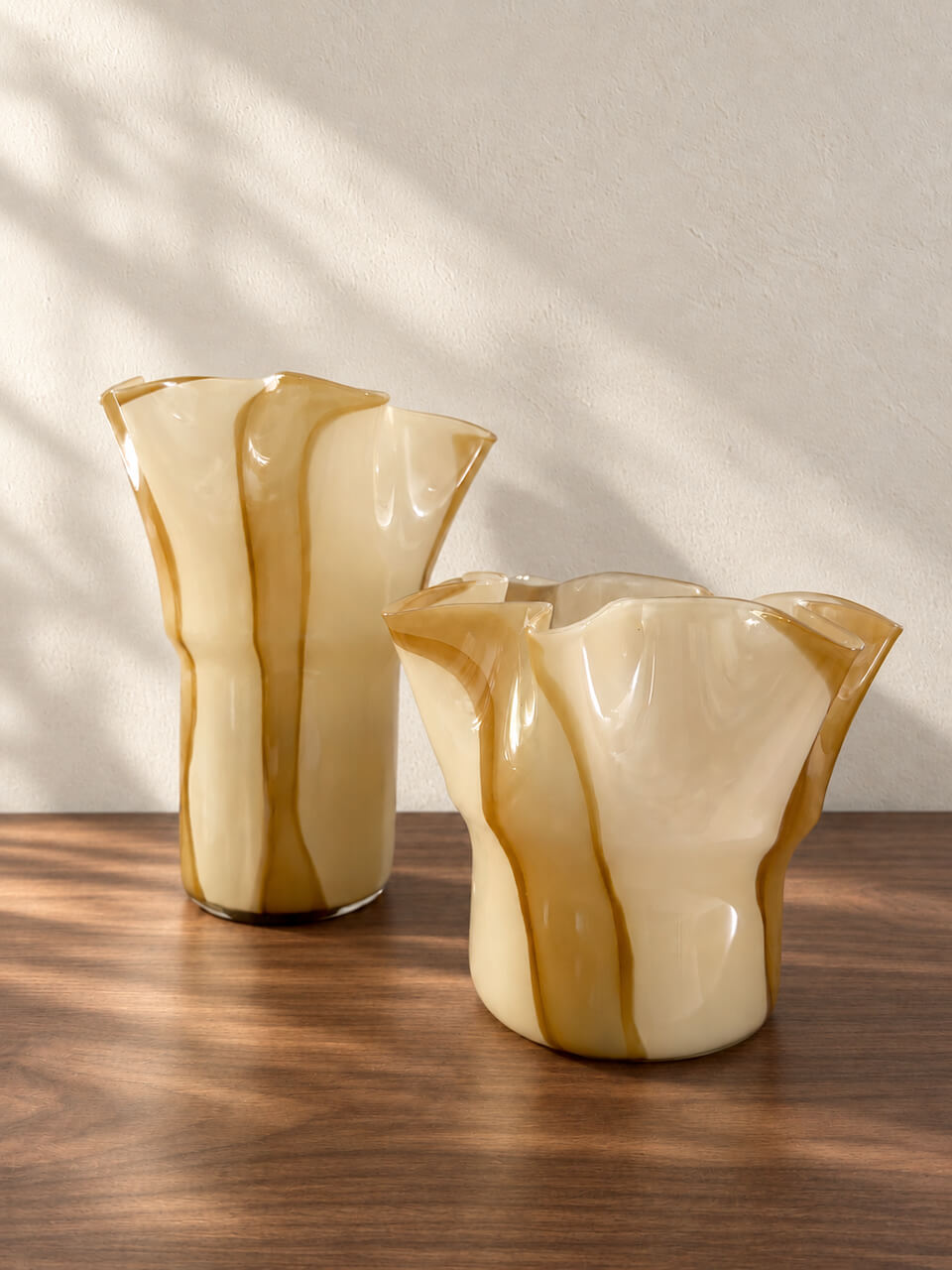
Caramel Stripe Handblown Glass Vase
Sale priceFrom £60.00
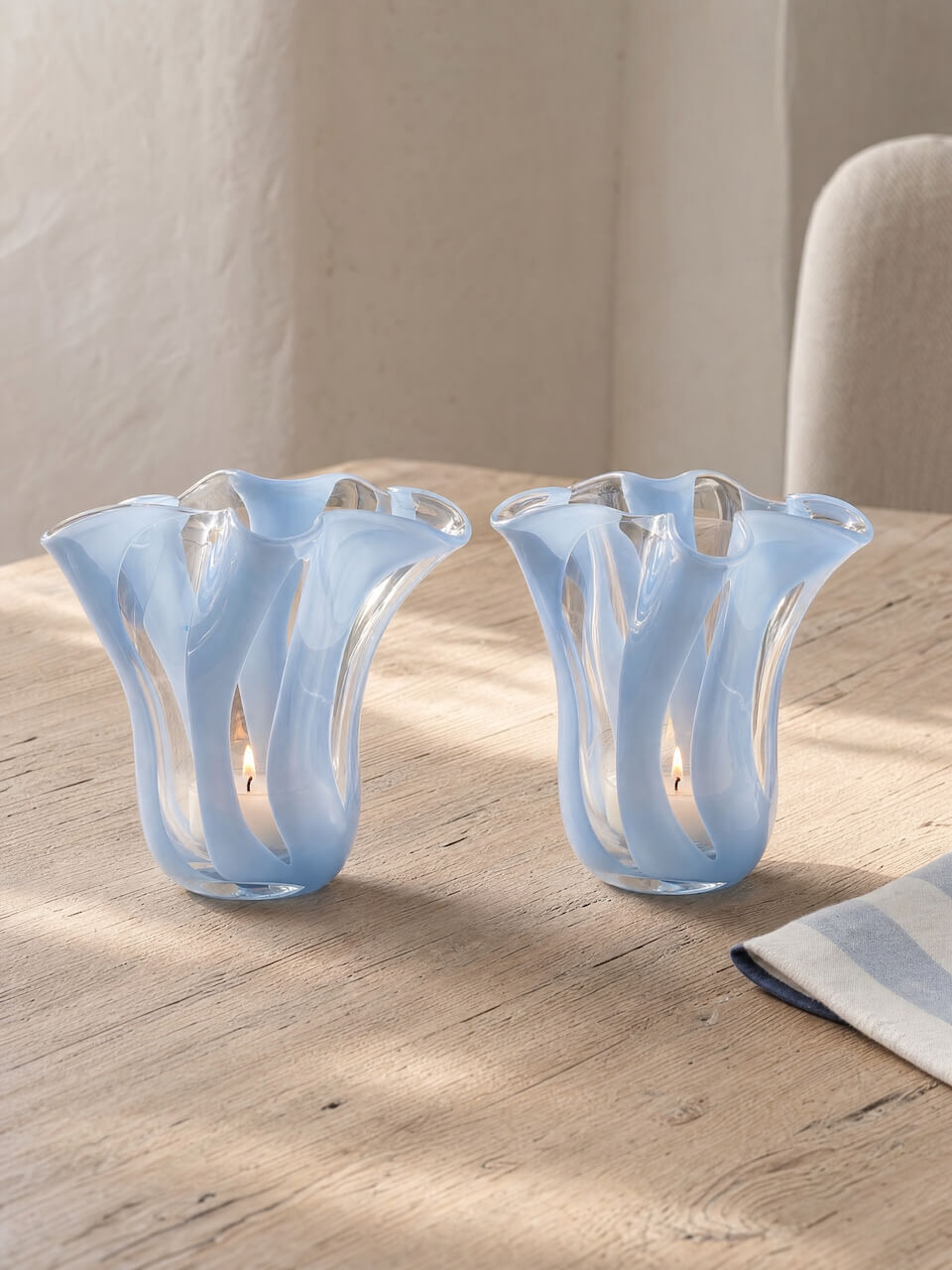
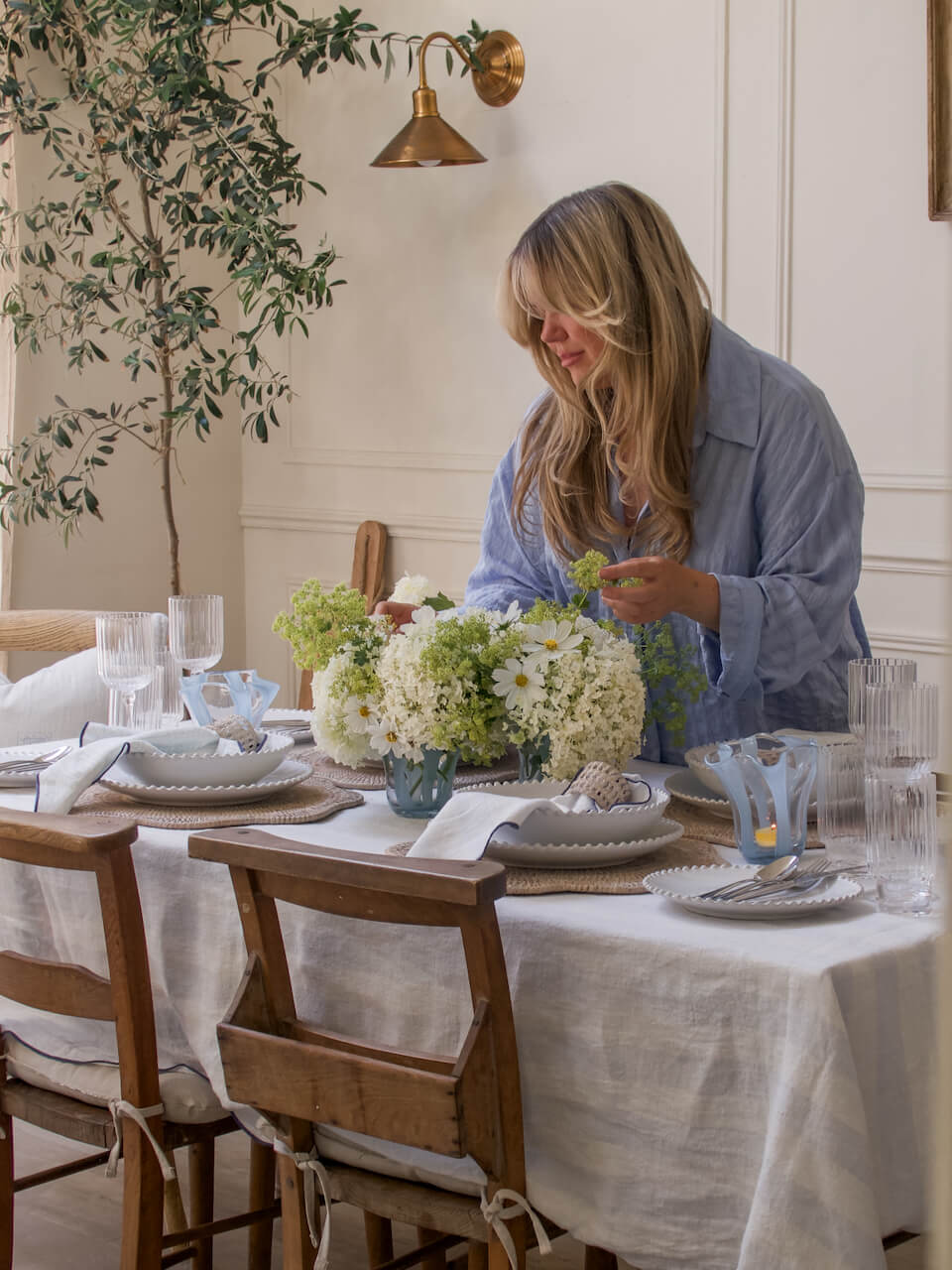
Blue Striped Handblown Glass Tea Light Holders - Set of 2
Sale price£60.00
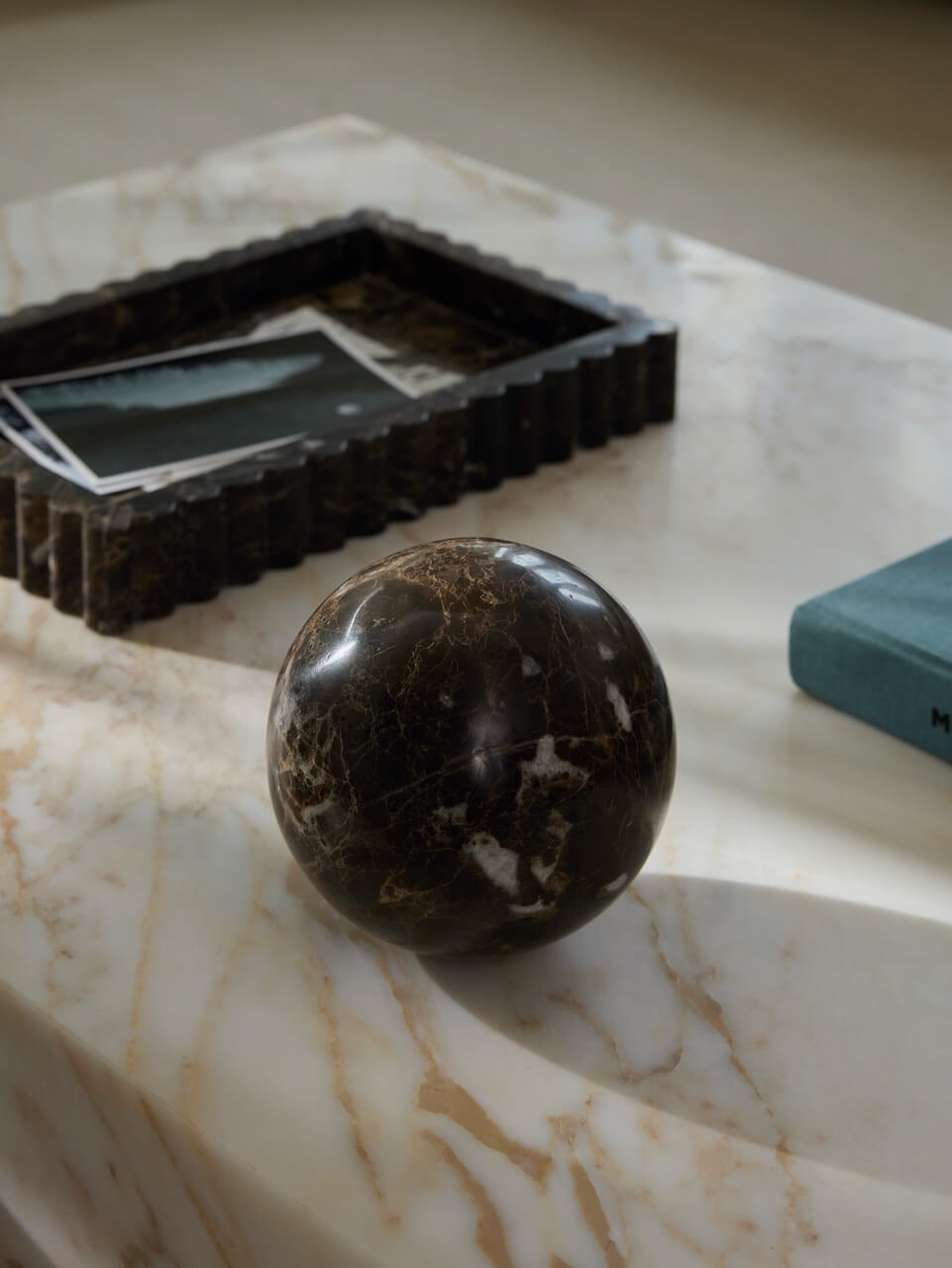
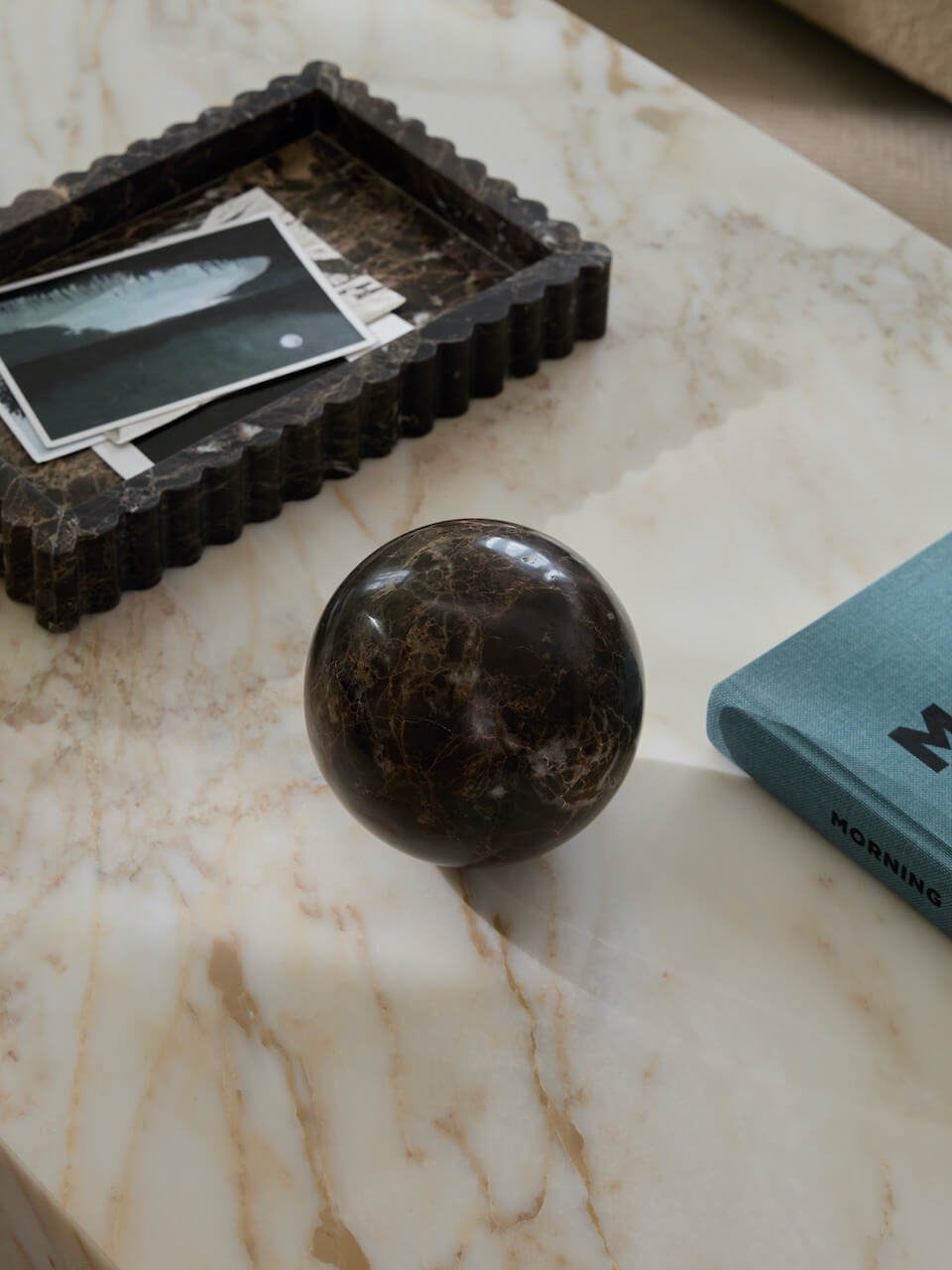
Dunas Dark Emperor Brown Marble Sphere
Sale price£70.00
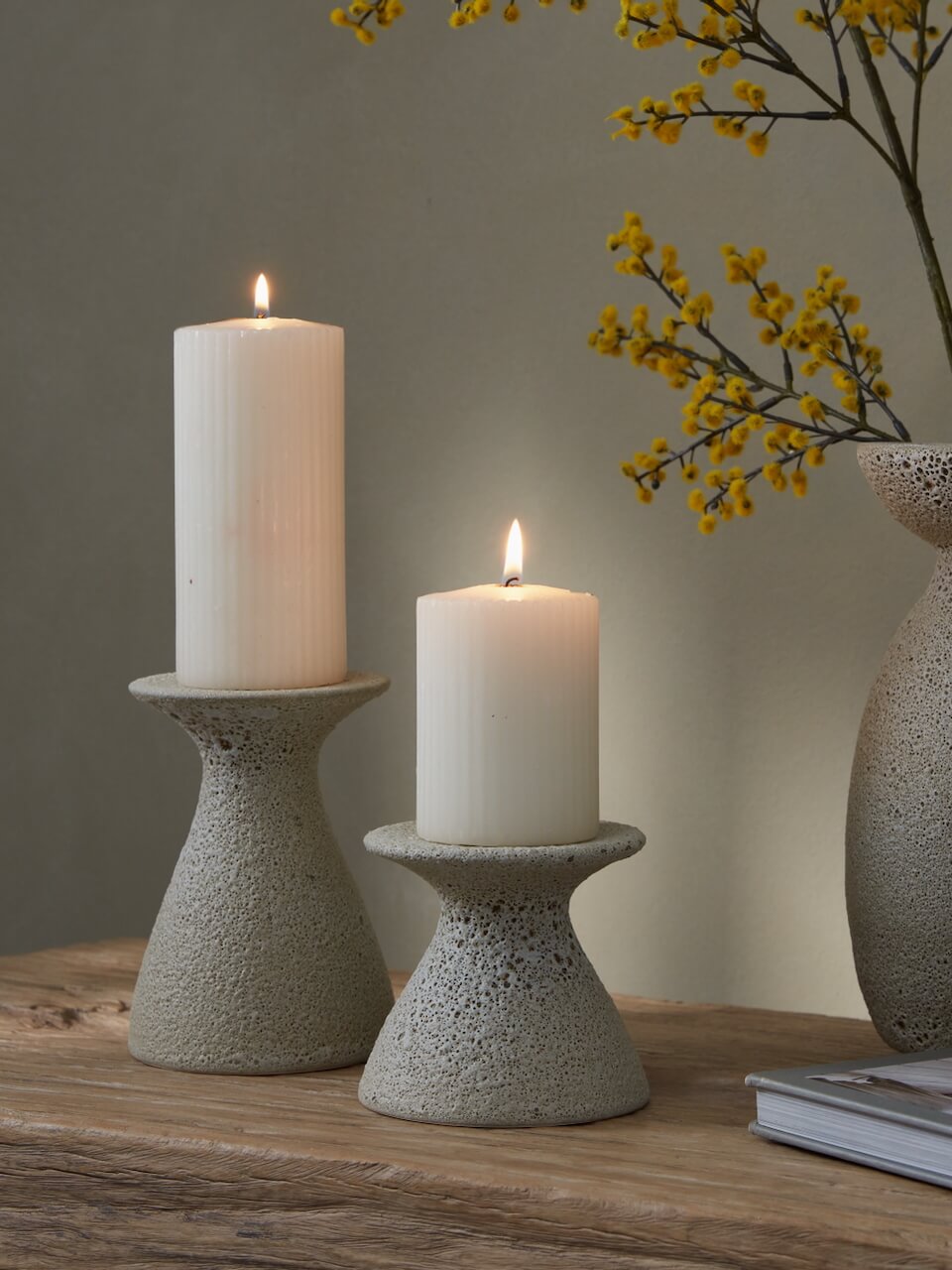
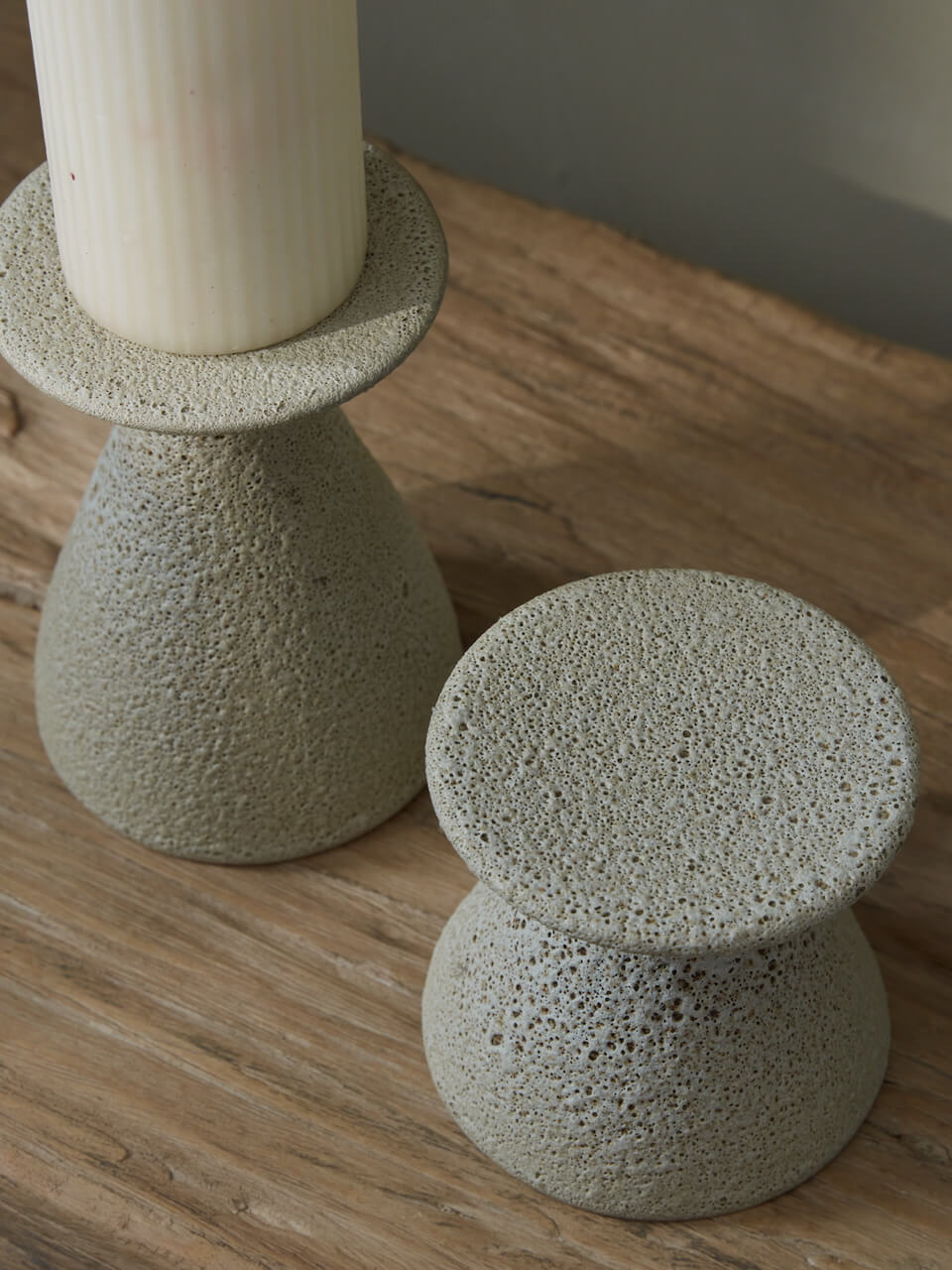
Larne Pillar Candle Holder
Sale priceFrom £26.00
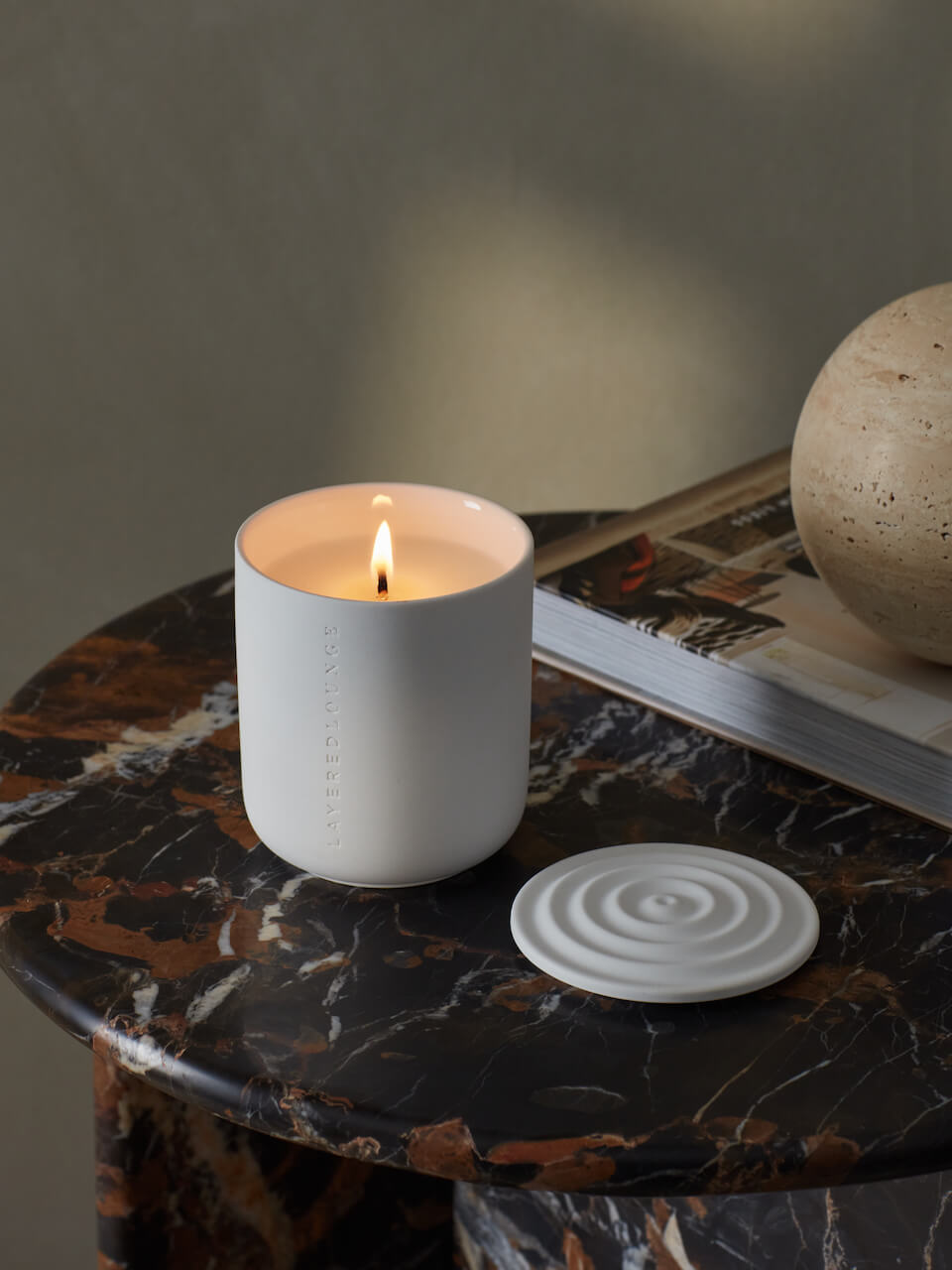
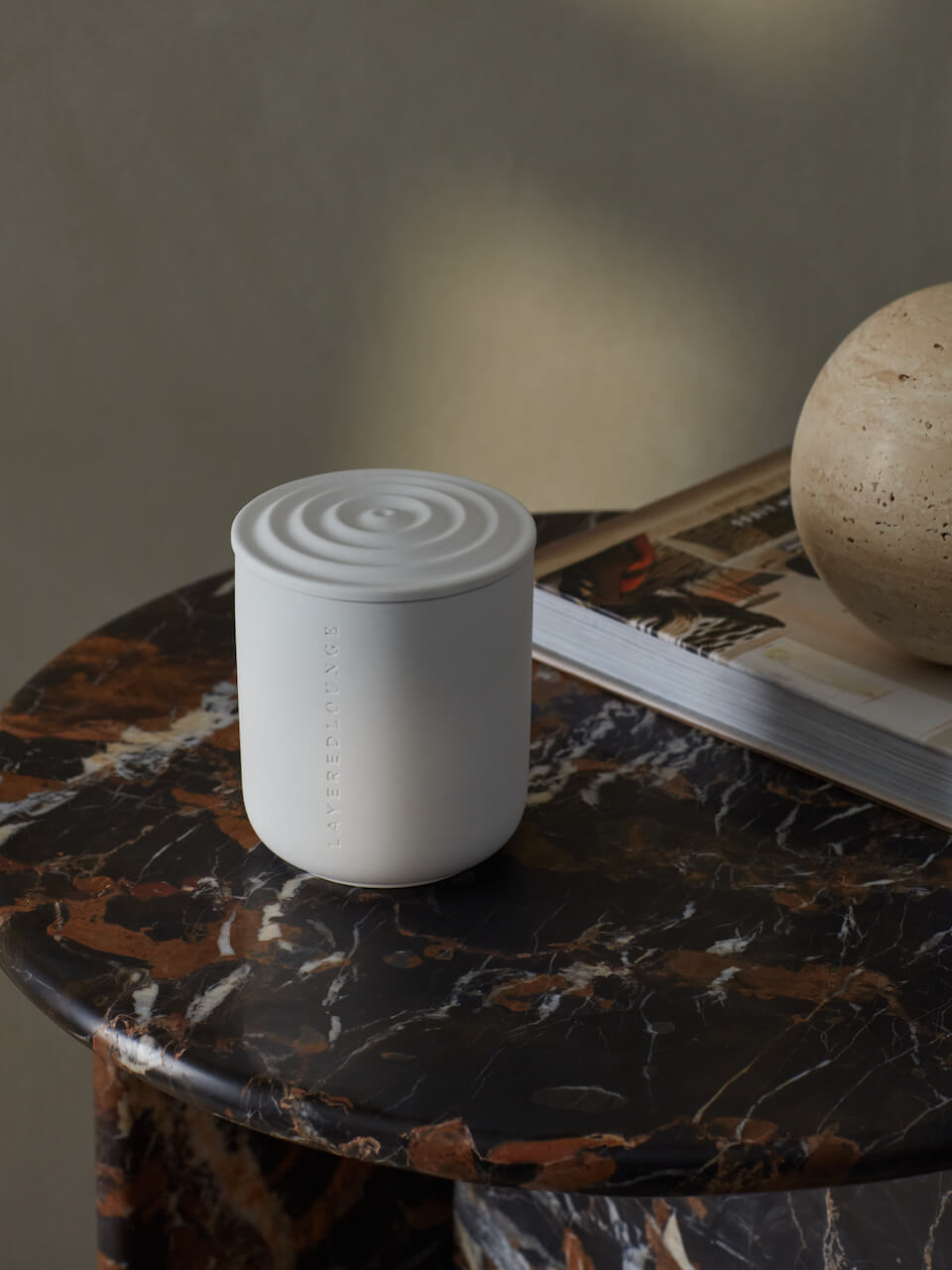
Salgada Scented Candle
Sale price£15.00
Regular price£30.00
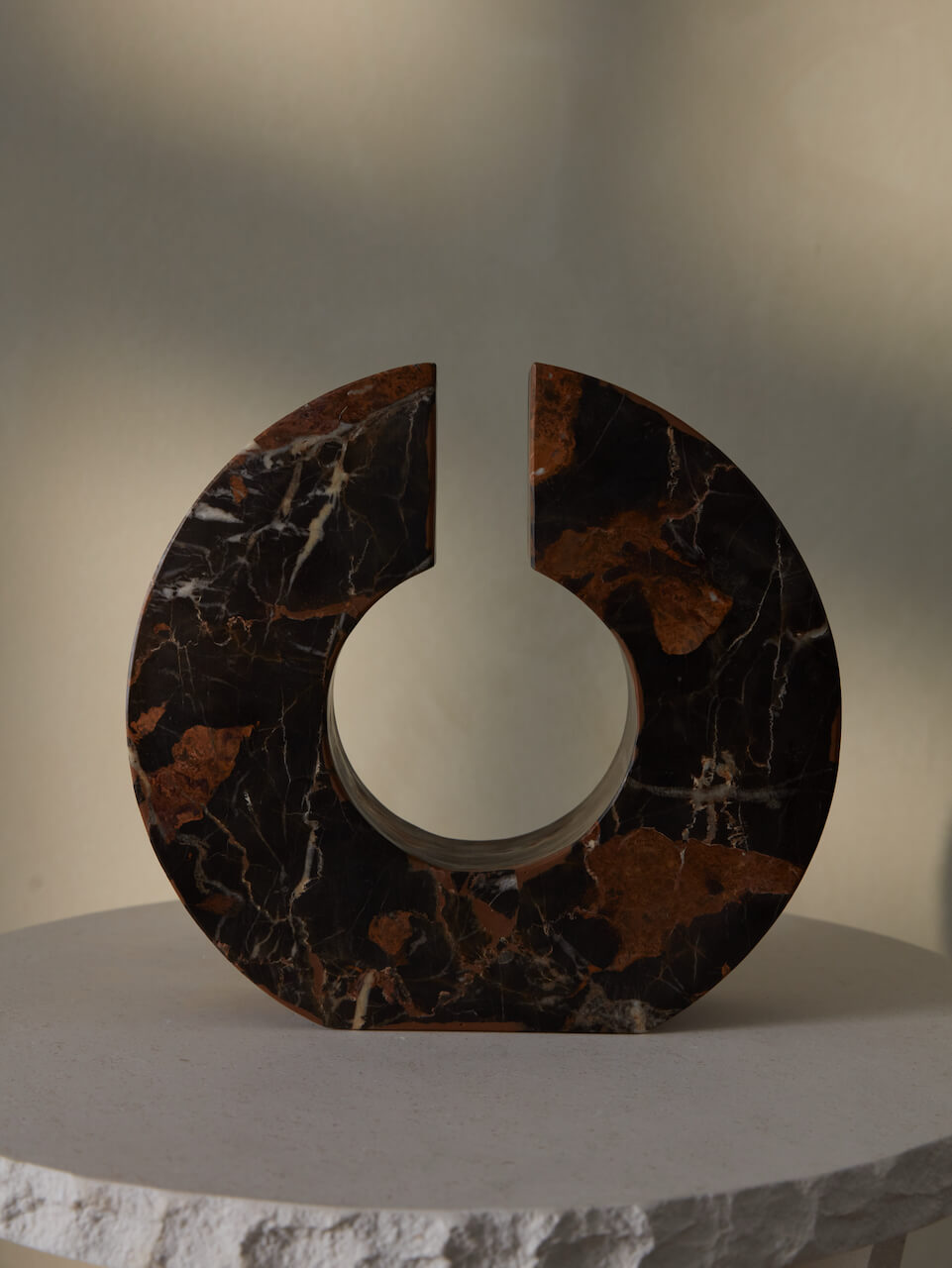
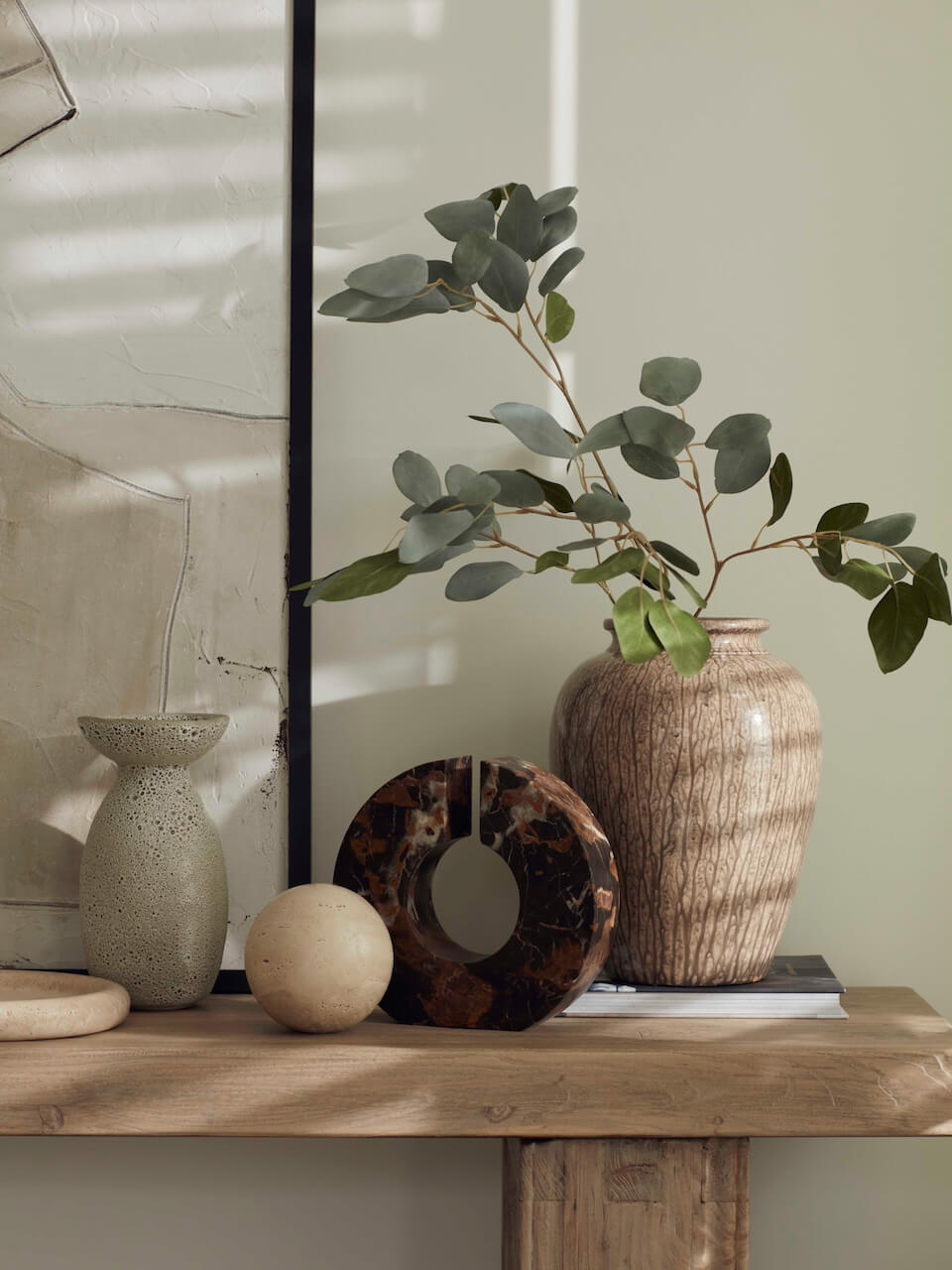
Faro Portoro Marble Sculpture
Sale price£160.00
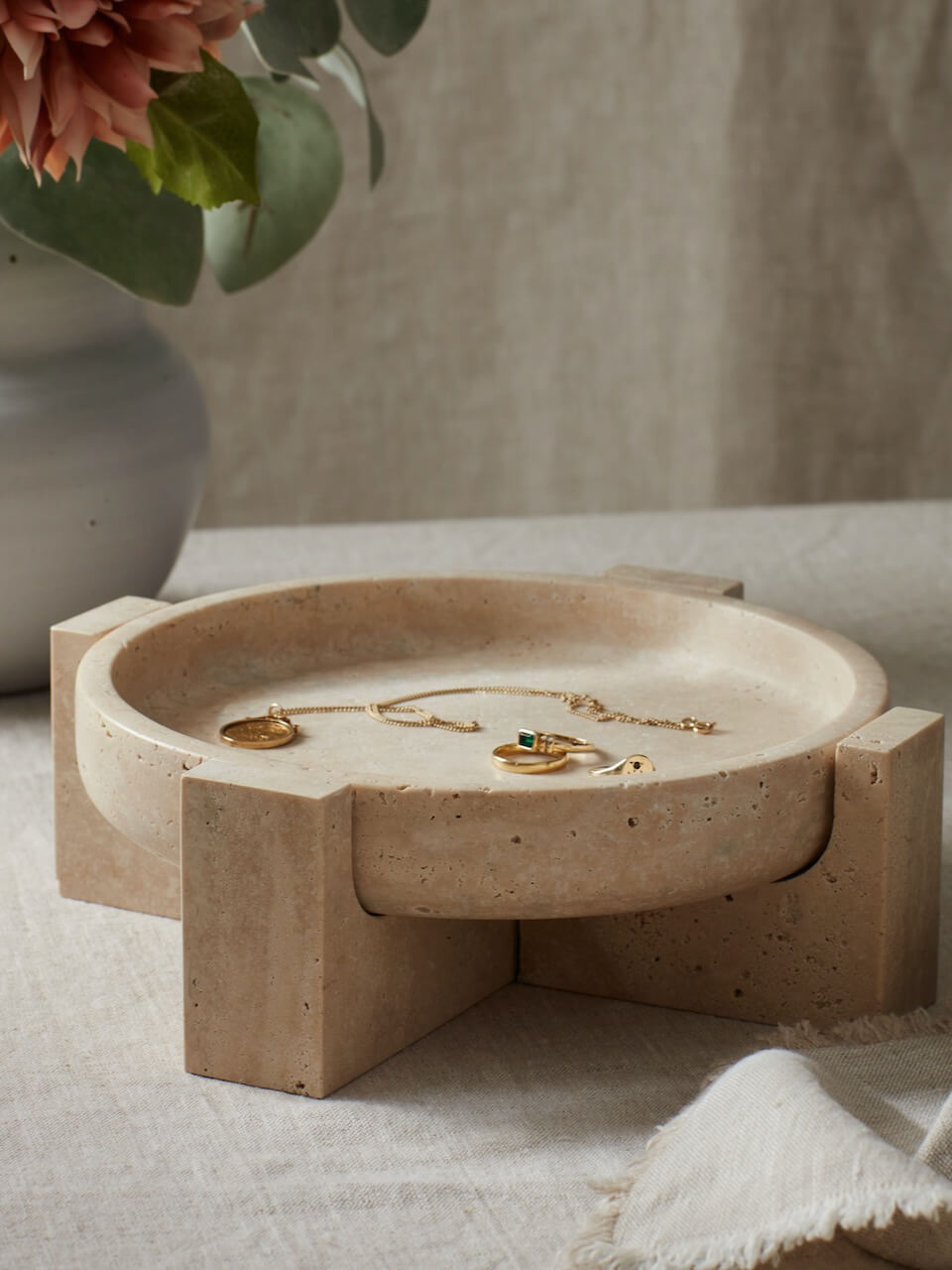
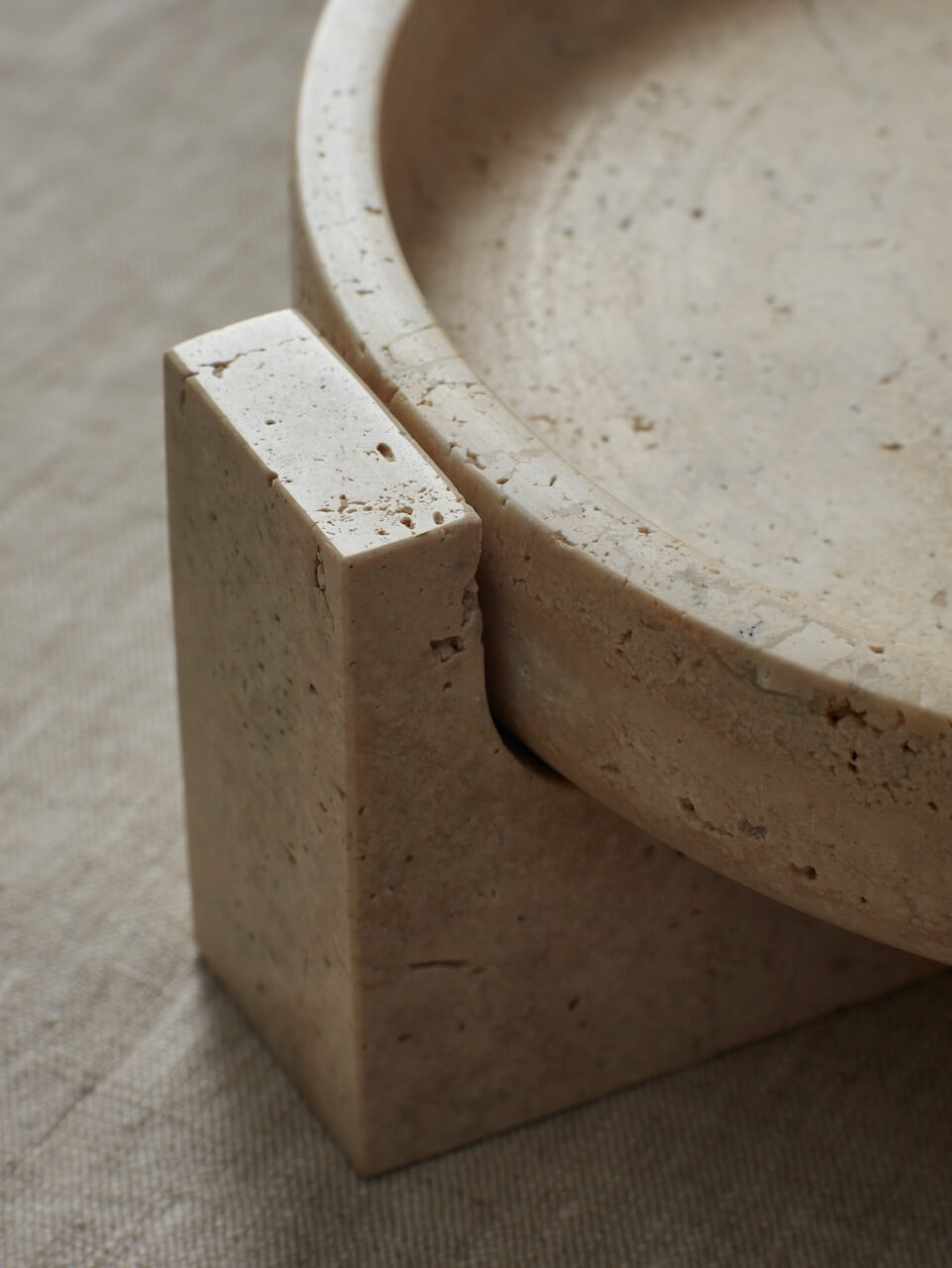
Hemsby Travertine Bowl
Sale price£255.00


Dunas Travertine Sphere
Sale price£65.00
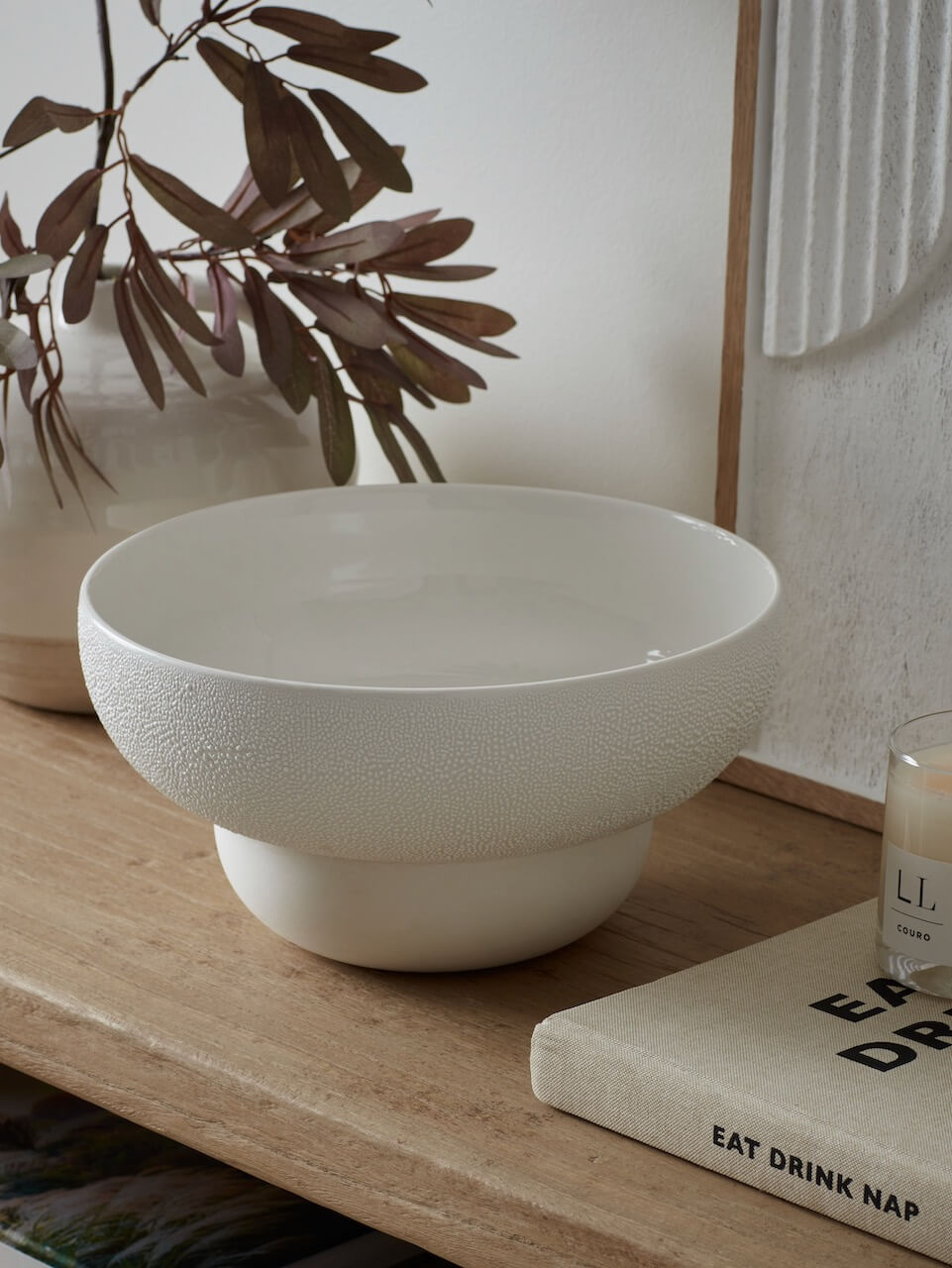
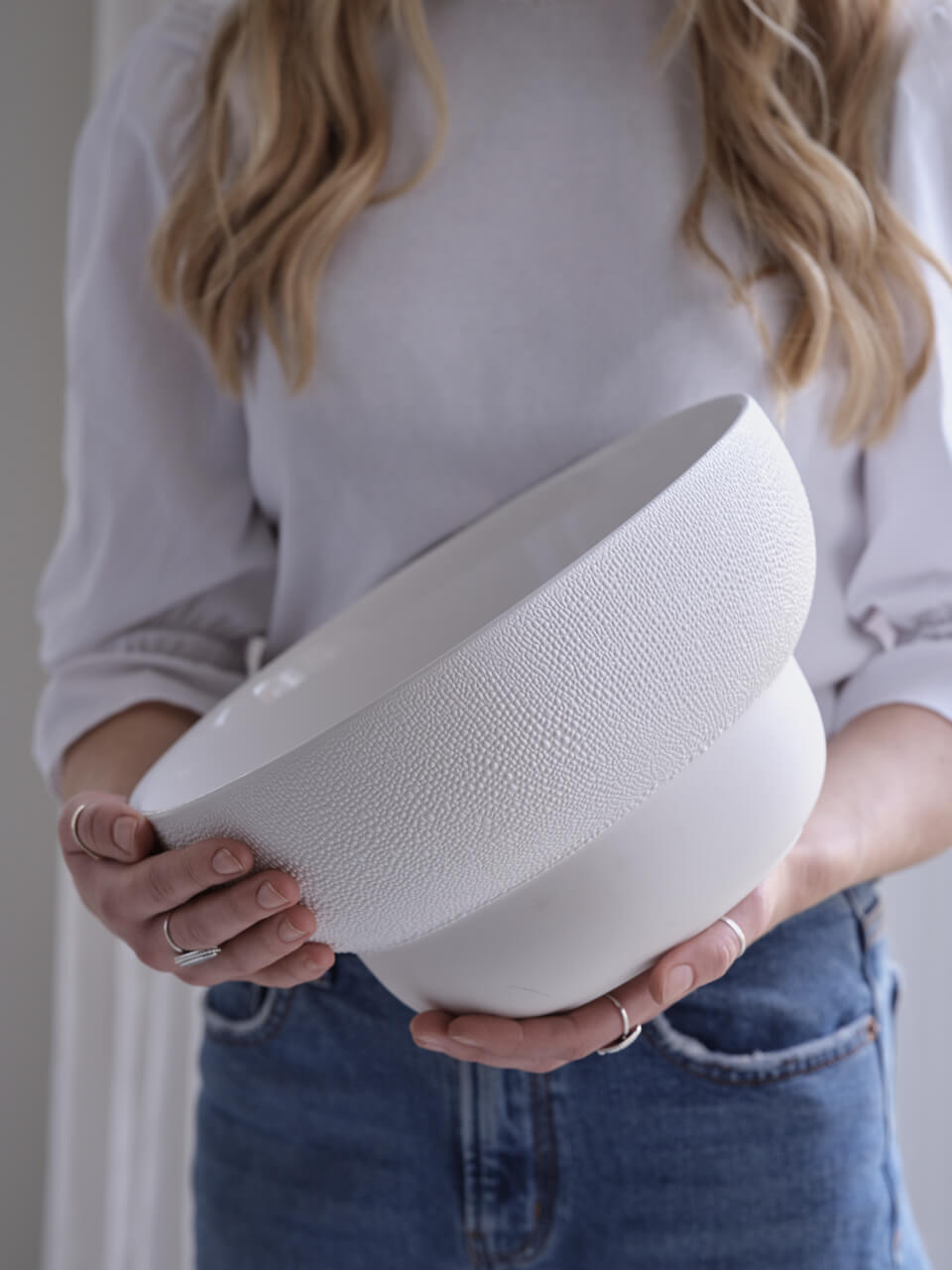
Pashley Ceramic Bowl
Sale price£27.50
Regular price£55.00
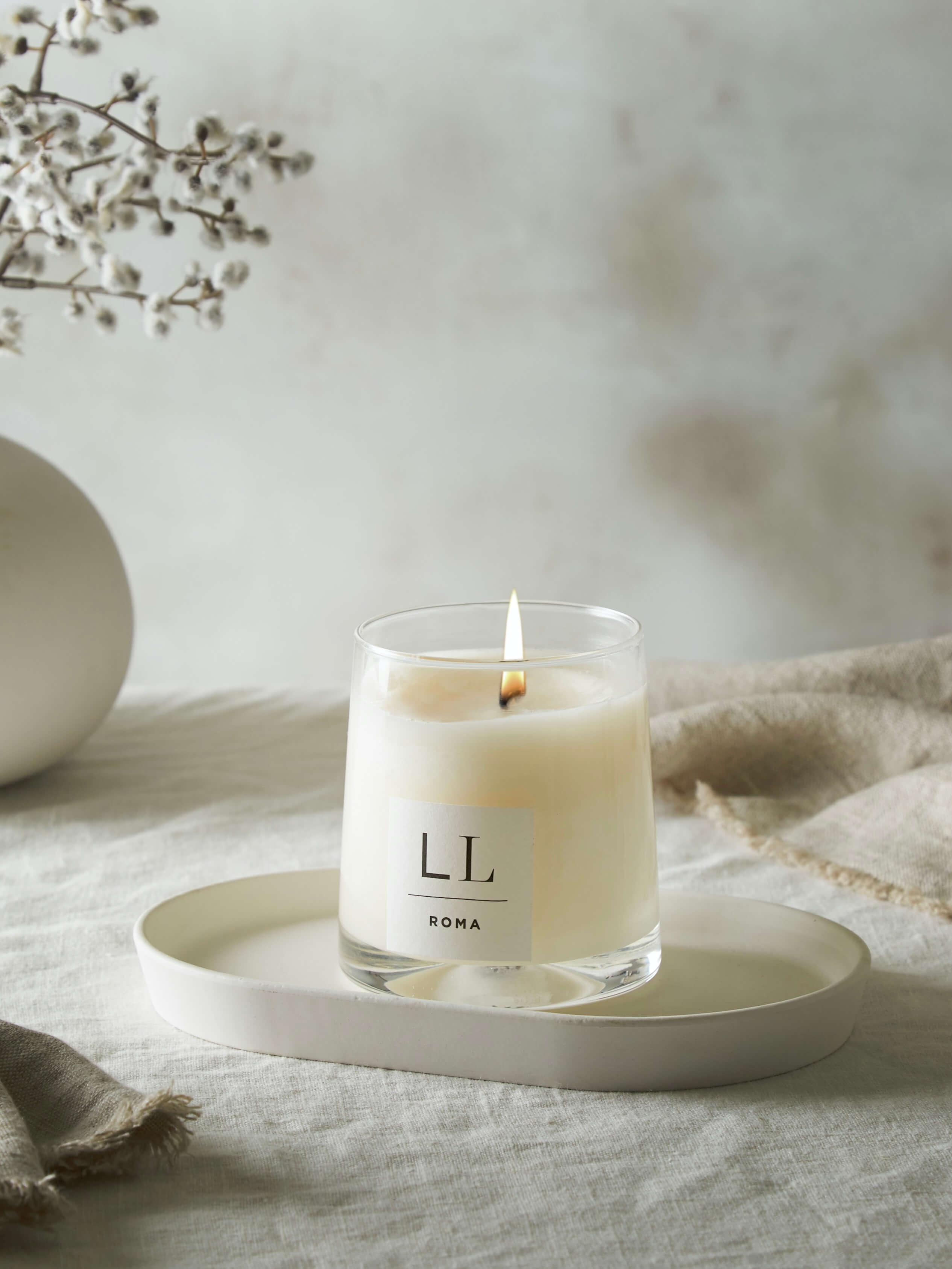
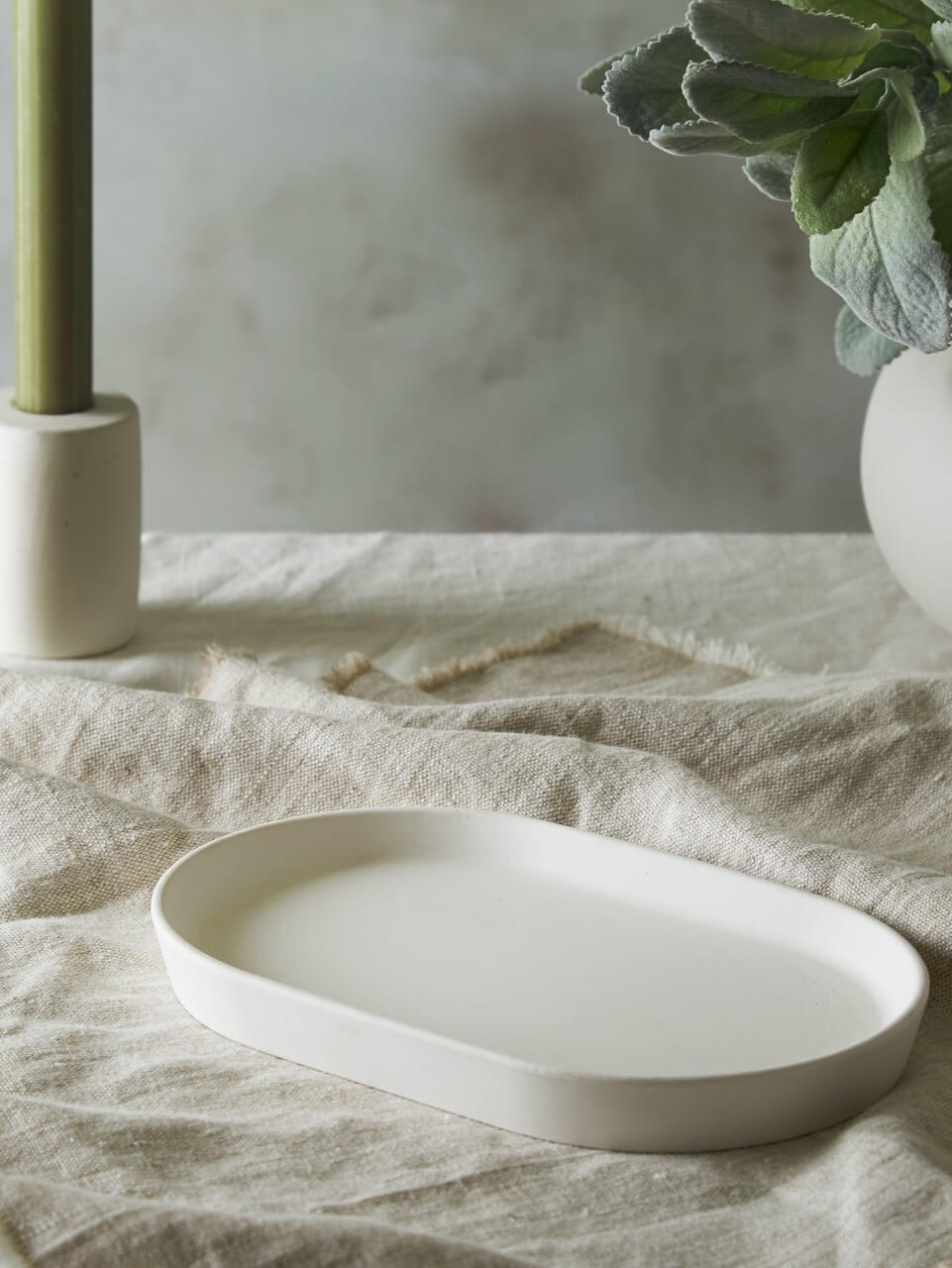
White Oval Ceramic Tray
Sale price£12.00
Regular price£24.00
Collection Guide
Objects with Quiet Presence
01 A Calm, Collected Setting
Consider decorative objects in relation to the whole interior, beginning with how the space should feel. In living rooms, bedrooms, hallways and dining spaces, these decorative objects can introduce personal character through a small number of well-chosen forms, and still leave the room easy and lived-in. Doorway sightlines, daylight and nearby materials all change how decorative objects is perceived, so assess the whole setting before focusing on detail. For a Layered Lounge interior, group objects in odd numbers, vary their scale and leave part of the surface deliberately clear. When considering decorative objects, a palette of stone, oat, tobacco, chalk, muted olive and warm wood brings continuity without making the room feel overly coordinated. With decorative objects, a little irregularity in colour, surface or scale often makes the arrangement more convincing. Function gives decorative objects a reason to remain, while shape and surface supply the room’s quieter visual reward.
02 Quality in Every Detail
Material honesty, sound construction and appropriate use are the clearest tests for decorative objects. When considering decorative objects, look closely at material character, proportion, surface finish and how the object holds its own within a wider room; material and construction should carry the quality argument. When considering decorative objects, the relevant material story here is stone, glass, textiles, metal, ceramic and natural fibres as specified for each piece. No two natural surfaces read identically, so images of decorative objects should be treated as a guide to character rather than a promise of exact uniformity. Judge decorative objects against repeated use and the actual room dimensions, rather than relying on photography alone. When considering decorative objects, care matters too: dust or clean according to the stated material guidance and protect delicate surfaces from moisture, direct heat or abrasion. Product-specific evidence should settle questions about how decorative objects is made, finished and cared for, because details can vary within one collection. Useful form and dependable construction give decorative objects longevity; enduring material character gives it continued relevance.
03 How to Make It Yours
To choose decorative objects, choose an object that changes either height, texture or silhouette rather than repeating what the surface already has. Two decorative objects designs may look related yet behave differently in the home, so let material, scale and care decide between them. When considering decorative objects, for colour, begin with the room’s undertone and use stone, oat, tobacco, chalk, muted olive and warm wood with enough freedom for natural variation. Styling is strongest when you group objects in odd numbers, vary their scale and leave part of the surface deliberately clear. To complete the setting, consider books, trays, vases and table lamps, so one material connects while another lightens the composition. Use the product measurements to map decorative objects in position, then consider whether its surface and silhouette still work at different viewing distances. Browse the complementary categories to place decorative objects within a more complete setting, building the composition gradually.
Frequently asked questions
Questions about the collection
What is included in the Decorative Objects collection?
Decorative objects can introduce personal character through a small number of well-chosen forms. Availability can change as the collection is updated, so the products currently shown on the page are the best guide to what is included.
How do I choose decorative objects?
Start with the gap the room needs to solve—height, softness, colour, texture or a focal point—then choose a piece whose scale works with the surrounding furniture. Fewer well-proportioned layers usually feel calmer than many small additions.
Which materials and finishes should I consider for decorative objects?
Compare the stated material, finish, dimensions and care notes. Ceramic, glass, metal, textile and natural materials each bring a different texture and level of variation, so use the individual product details as the deciding source.
How should I style decorative objects?
Build small groups using varied height, shape and texture while keeping the palette connected. Leave some visual space around decorative pieces so their material and silhouette can be appreciated.
Where can I use decorative objects?
These pieces can add a finishing layer to living rooms, bedrooms, hallways and dining spaces where the product’s size and care requirements suit the setting. Check whether a piece is decorative only or has a functional use before styling it.
How do I care for decorative objects?
Follow the individual product’s care instructions. Dust gently, handle delicate finishes carefully and avoid water, heat or strong cleaning products unless the product guidance specifically permits them.
What should I check before buying decorative objects?
Check scale, weight, material, finish and intended use, then compare those details with the surface or wall where the piece will be placed. For wall art or hanging decor, confirm fixing requirements separately.