Essential Principles of Interior Design
Creating a home that feels stylish, comfortable and effortlessly layered goes beyond choosing furniture or picking a colour palette. It’s about understanding the core principles of interior design and applying them thoughtfully to every room. From balance and rhythm to scale, proportion and harmony, these timeless concepts guide your choices and help your spaces feel cohesive, homely and uniquely yours.
Whether you’re styling a lounge, bedroom or dining area, this guide breaks down the key principles and practical rules of thumb to make designing your home simpler, more intentional and a lot more enjoyable.
Breakdown of the Principles of Interior Design
Creating a stylish, cohesive home is about more than picking pretty furniture or colour. Understanding the core principles of interior design helps you make spaces that are functional, visually engaging and reflective of your personality.
Balance
Balance ensures a room feels harmonious, preventing any area from feeling too heavy or too empty. It creates a sense of equilibrium, making your space feel comfortable and intentional. You can achieve balance by thoughtfully arranging furniture, lighting and decorative accents to distribute visual weight.
Pro tip: Try pairing tall items like a floor lamp with lower furniture like a sideboard to achieve visual balance across the room.
Unity
Unity is about creating a cohesive space where every element works together, giving your room a sense of harmony and completeness. A unified room feels calm, intentional and thoughtfully curated. You can achieve this through a consistent theme, a well-chosen colour palette and a smooth visual flow throughout the space.
Pro tip: Repeat key materials, finishes, or patterns across multiple rooms to maintain a sense of continuity and connection.
Details & Harmony
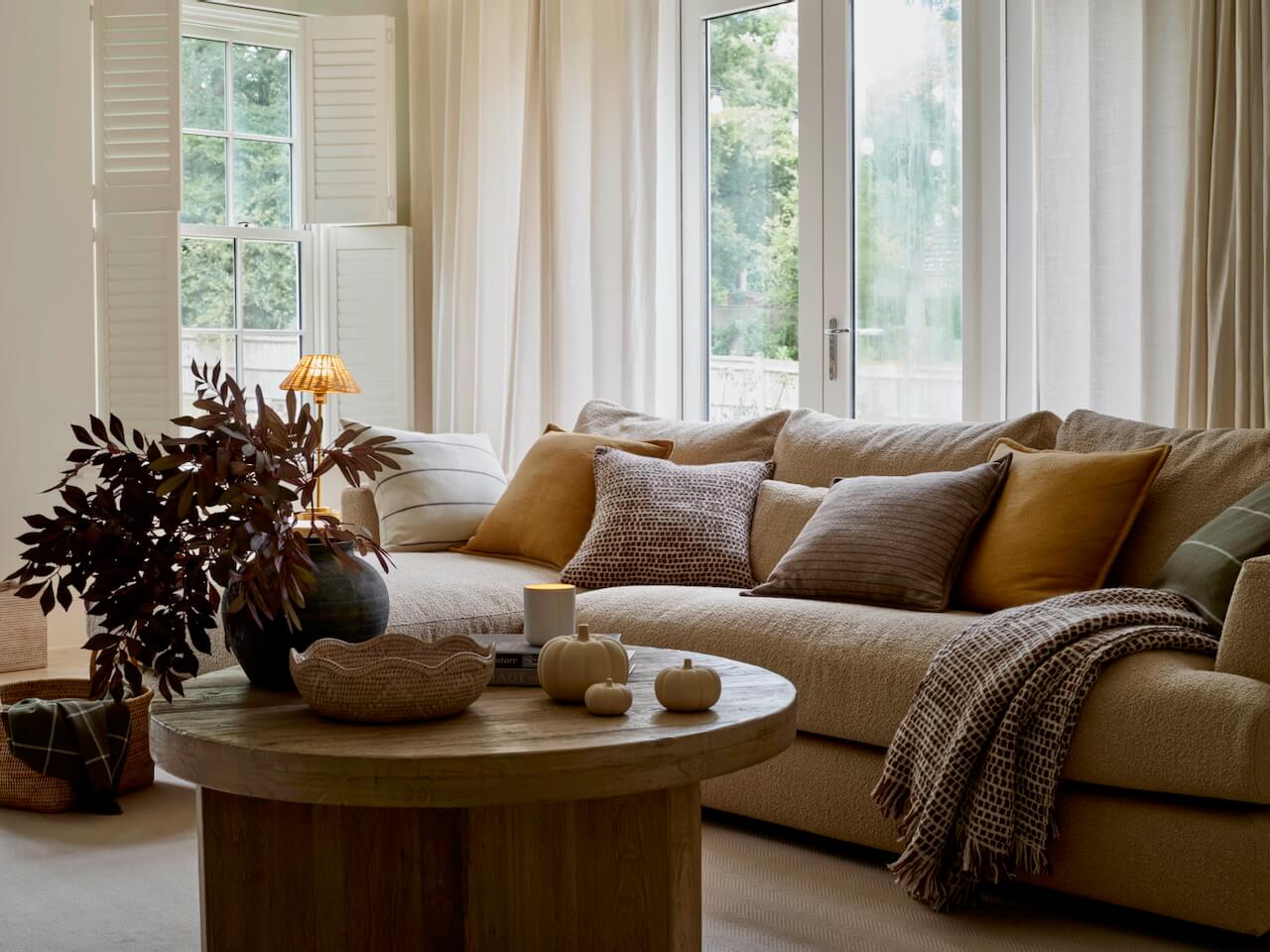
Details are the small touches that bring personality and character to a room, while harmony ensures that all elements work together to create a cohesive and balanced look. Thoughtful details, such as cushions, throws, decorative objects, or textured finishes — add depth, warmth and visual interest, making a space feel layered and intentional.
Harmony is achieved when colours, textures, patterns and shapes complement each other, creating a sense of flow throughout the room. By carefully considering how each piece interacts with the others, even contrasting elements can work together to form a unified, inviting space.
Pro tip: Group accessories in odd numbers and vary height, texture and material to create natural visual interest while maintaining harmony.
Rhythm
Rhythm in home décor creates a sense of movement, guiding the eye smoothly around a room and helping the space feel connected rather than static. It brings flow and visual interest, making interiors feel thoughtfully styled and balanced.
You can create rhythm through repetition, progression and contrast. Repeating colours, materials, or shapes builds consistency, while gradual changes in size, height, or texture add depth. Contrast, such as pairing smooth finishes with textured surfaces or light tones with darker accents, keeps the space engaging without disrupting harmony.
Pro tip: Repeat one accent colour across three surfaces, for example, cushions, vases and artwork, to naturally guide the eye through the space.
Emphasis
Emphasis is about creating a focal point that draws the eye and anchors the room, giving your space a clear area of interest, preventing it from feeling flat or undefined.
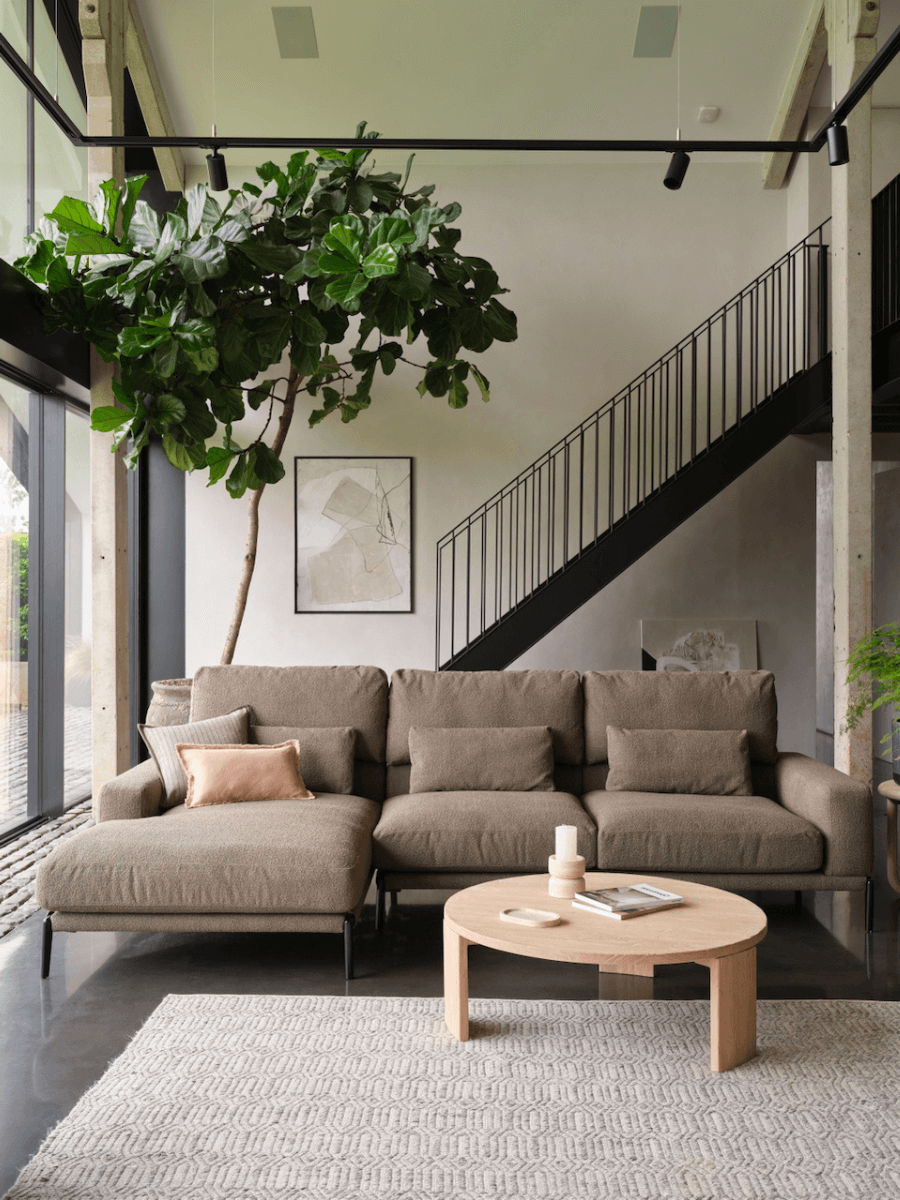
This can be achieved through a statement piece such as a feature sofa, dining table, artwork or lighting. You can also use colour, scale, or texture to highlight key elements, allowing them to stand out while still complementing the rest of the room.
Pro tip: Position your focal point where it will naturally catch attention, like the wall opposite the main entrance or the centre of a seating area.
Contrast
Contrast adds depth and visual interest by highlighting differences within a space. It prevents a room from feeling one-dimensional and helps individual elements stand out while still working together.
You can introduce contrast through colour, texture, shape, or material, such as pairing light and dark tones, smooth and textured finishes, or soft fabrics with structured furniture. Even subtle contrasts, like matte versus glossy surfaces, or natural timber against metal, can make a big impact.
Scale & Proportion
Scale and proportion ensure that furniture and décor feel suited to the size of the room and to each other. When elements are correctly scaled, a space feels comfortable, balanced and visually pleasing rather than overcrowded or sparse.
Large rooms benefit from substantial furniture and statement pieces, while smaller spaces work best with more refined proportions. Mixing different sizes thoughtfully adds interest, for example, pairing a large sofa with smaller chairs and a low coffee table to maintain visual harmony.
Proxemics
respect different personal space needs. It considers how people interact within a room and how distance can affect comfort, mood and connection.
There are four main types of space: intimate, personal, social and public. By adjusting the distance between seating, tables and walkways, you can encourage privacy, conversation, or openness depending on how the space will be used. Cultural habits also influence how people use space, so designing with these in mind ensures interiors feel natural, welcoming and comfortable for everyone.
Key Interior Design Rules of Thumb
Follow the 70/20/10 Rule for Colour
This concept focuses on using a colour palette with dominant, secondary and accent tones to create depth and personality without overwhelming the eye. It is not about limiting colour but using it with intention to bring life into your home.
Traditionally, designers use the 60/30/10 rule (60% dominant, 30% secondary, 10% accent) to achieve balanced and harmonious spaces. For a softer, more relaxed and monochromatic look, the 70/20/10 rule shifts the proportions slightly:
The general guide is:
70% Dominant Colour: walls, large furniture
20% Secondary Colour/Texture: rugs, curtains, key furnishings
10% Accent Colour/Texture: cushions, artwork, décor
Pro tip: This formula can also be applied to materials and styles, helping your rooms feel cohesive, sophisticated and visually engaging.
Layer Lighting
Lighting is essential for setting the mood and atmosphere. Relying only on a central “big light” can feel harsh and uninviting. Use multiple light sources to create depth, flexibility and warmth.
Three main types:
Ambient: overall room illumination
Task: functional lighting for activities like reading or cooking
Accent: highlights features such as artwork, shelves, or textures
Pro tip: Layer all three types for a space that feels balanced and adaptable throughout the day.
Mix Textures
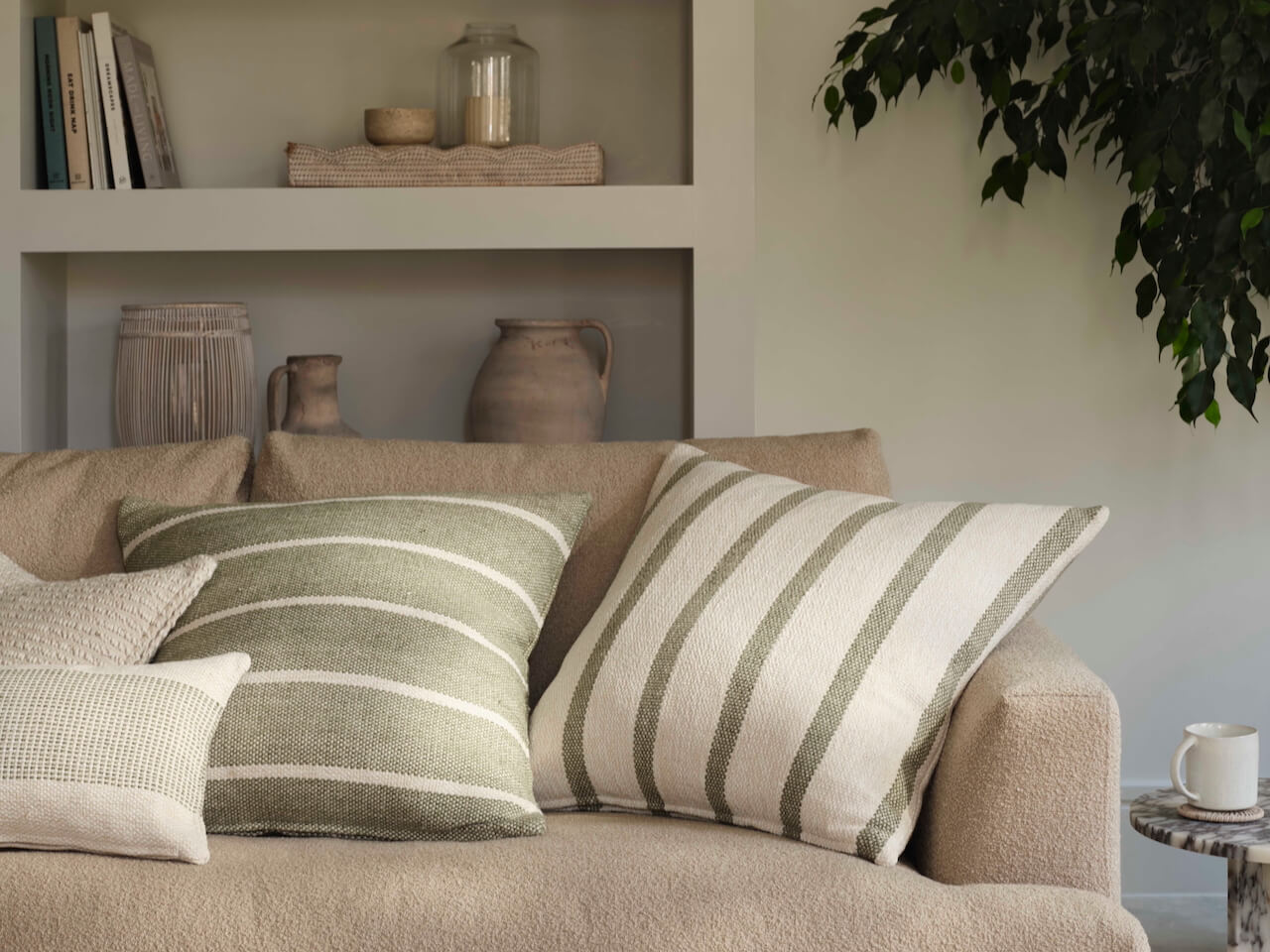
Mixing textures adds depth, warmth and visual interest, preventing a space from feeling flat or one-dimensional. Pair smooth with rough, natural with man-made and matte with shiny.
Layer textiles like velvet, chunky knits and linen, all tied together with a cohesive colour palette. You can also mix leather with wool throws, polished stone with raw timber, or jute rugs with plush rugs. Even small touches, like ribbed glass with brushed metal or boucle fabrics against clean-lined furniture, add dimension and intentionality.
Start Big to Small
Begin with the major elements, like layout, furniture placement and room purpose, before moving on to smaller details like accessories and finishing touches. This approach ensures a balanced, well-considered foundation for your space.
Pro tip: Big pieces include sofas, beds and tables; medium elements include rugs and lighting; small touches include décor, cushions and artwork.
Take Your Time
Creating a thoughtfully styled home doesn’t happen overnight. Consider each element carefully, layering pieces gradually to ensure they resonate with your style and lifestyle.
Pro tip: Allow your interiors to evolve naturally, adding new pieces over time. This approach ensures every corner feels curated, intentional and reflective of your personality.
Using Interior Design Principles to Make Your House a Home
By understanding and applying these principles and following key rules, you can create interiors that are consistent and welcoming, whilst stylish. Start big, layer thoughtfully and take your time, your home will feel effortlessly curated, comfortable and full of personality.